

1 minute read
Portsmouth, New Hampshire
The other day, I was in a discussion with a young professional about the Entrepreneurial World versus the Bureaucratic World. She’s currently a cog in the B-World grind and thinking about her future.
I casually mentioned that one of the defining virtues of the Entrepreneurial World is that it’s an ecosystem where participants typically have skin in the game.
She asked me what I meant.
It struck me that it might be useful for others to consider this definition as well.
For the Entrepreneurial World, we define skin in the game as a demand for symmetry in life: those who make decisions must also bear the risks, consequences, and potential harm those decisions create. It is both a moral and a functional necessity.
When individuals are insulated from downside, they inevitably offload risk onto others while harvesting rewards for themselves. True skin in the game means that if you benefit from an action, you are also exposed to its failure—financially, reputationally, or physically. It’s not about incentives or bonuses; it’s about accountability for harm.
A politician who wages war without personal exposure to its costs has none.
A banker who collects upside while socializing losses has none.
By contrast, a restaurant owner who eats their own food—or an engineer who flies in the aircraft they serviced—operates with symmetry.
After decades of accumulated scar tissue, I’ve learned this much: opinions without risk are noise.
If you are unwilling to pay for your beliefs when you’re wrong, you are not credible when you’re right.
I am interested only in the judgment of those with skin in the game—and indifferent to the rest.
What I am Reading / Listening to
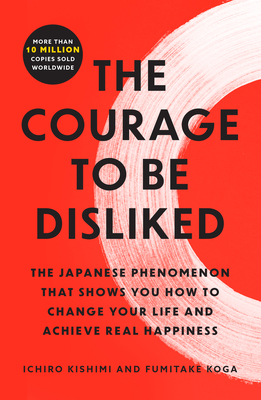
The Courage to Be Disliked (2013)
By Ichiro Kishimi and Fumitake Koga
Contributed by Mari Lister
Most people are waiting for permission—permission to act, to decide, to become.
This book dismantles that instinct completely.
At its core is a simple but uncomfortable idea: your life is yours. Not your parents’, not your boss’s, not society’s. And with that comes something most people spend their lives trying to avoid—responsibility.
Kishimi and Koga argue that we are not defined by our past, our circumstances, or even our constraints. We are defined by the choices we make in the present. Which means you don’t get to outsource your outcomes. You don’t get to blame the system. You don’t get to hide behind explanation.
Freedom and responsibility are inseparable.
What makes this book powerful is not that it’s motivational—it’s that it’s confrontational. It forces you to ask: Where in my life am I avoiding ownership?
Because the moment you stop seeking approval and start accepting responsibility, you become very difficult to control.
And very hard to ignore.
Entrepreneur Owner-Manager Quote
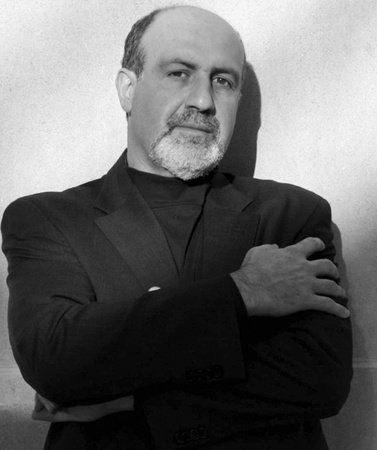
“Never take advice from someone who has no skin in the game.”
—Nassim Nicholas Taleb, author, professor, and thought leader in the domains of decision theory, risk, and probability.
© 2026 Bigelow LLC. All rights reserved.